Tyre damages
Read more




A frequent question about tyre maintenance concerns service life. How long will your tyres last before you should replace them?
The answer depends on different factors such as your driving style, the tread design of the tyre, regional climate, road conditions, and how frequently the car is in use.
Another factor is you, the driver. Just like the rest of the vehicle, you have an essential role in the care and maintenance of the tyres on your wheels; they will last longer the better you look after them. You're also responsible for deciding when it's time to replace worn tyres with new tyres.
Use the following guidelines to assess the point of maximum service life for your tyres. If you still have questions beyond this article, try consulting a professional at your local tyre retailer; they'll be more than happy to help.
We build and design our tyres to provide thousands of miles of excellent service. Achieve maximum benefit from your tyres by taking care to avoid damage from improper use that may shorten their lifespan.
The conditions that you subject your tyres to over the course of daily use – inflation pressure, load, speed, road hazard injury, and so on – are key to determining service life. So too, is regular rotation and proper storage of your tyres. But since service conditions vary widely from car to car and driver to driver, to apply universal predictions on how long a tyre will last is impossible.
However, you can be proactive and increase the longevity of your tyre through proper maintenance. To avoid prematurely buying replacement tyres, things to consider include:
Here's a simple tip to determine the age of your tyres; it's written on the sidewall! You can calculate the physical age of any car tyre by examining the markings on the tyre sidewall following the “DOT” symbol:
For example, a tyre with a DOT of XXXXXXX2714 has a manufacture date from the 27th week of 2014.

Be aware of the following when you inspect your sidewall markings:
As an example, a tyre with the information “DOT XXXXXXX274◄” was manufactured in the 27th week of 1994.
We are not aware of any technical data to support the removal from service of tyres past a specific age. But the same principle applies to the tyres of your vehicle as for any other part of your car – age matters.
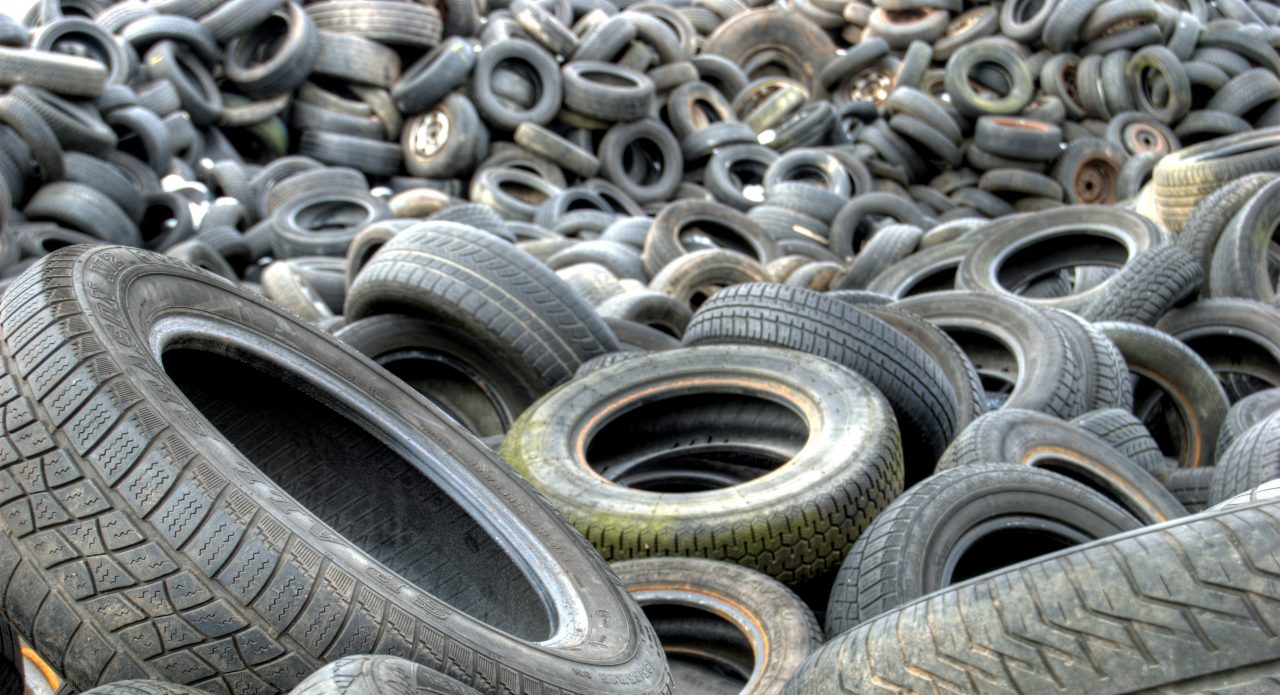
Together with other organisations in the tyre and automotive industries, we advise that all tyres (including spare tyres) made more than ten years ago should be removed from service and replaced with new tyres.
You should follow this advice even if:
In short, even though a tyre over ten years old may seem fine for driving, we still recommend getting new tyres for your car. Drivers cannot rely on visual inspection for rubber cracking, wear to the tread or other signs of deterioration due to age. While tyres may appear perfectly functional, their age is a factor for replacement.
Some vehicle manufacturers may recommend a different chronological age at which to replace a tyre. Such guidance comes from their understanding of the specific vehicle application; we recommend that drivers pay heed to these instructions.
In any case, most tyres will likely need replacement for worn treads or for other reasons before any recommended removal period. At the same time, a stated removal period in no way alleviates the driver’s responsibility to replace worn tyres when necessary.
An alignment is a smart follow-up to replacing your tyres, ensuring optimal performance. The benefits of a proper alignment include:
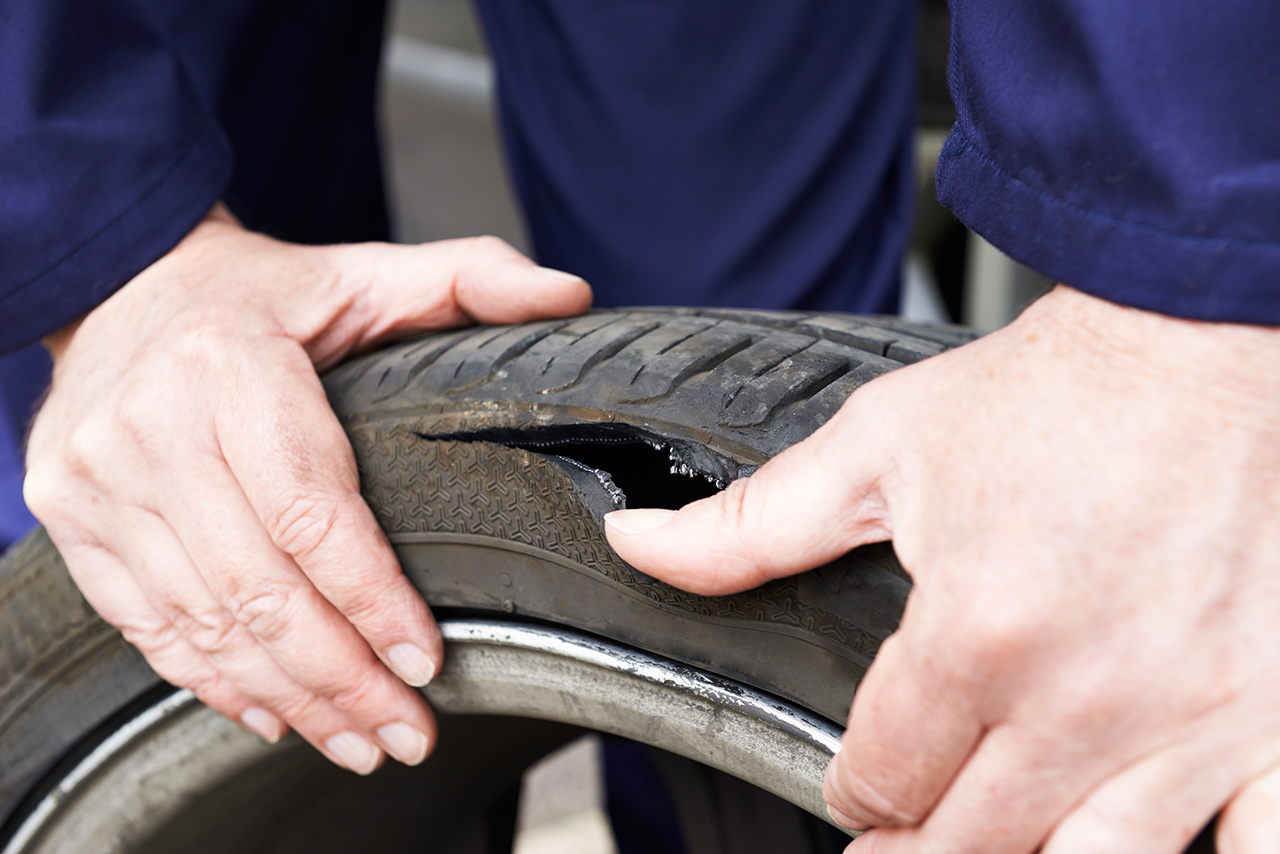
Replace your tyres at least every 10 years. If you own a 4X4 SUV, chances are you take it off-road at least occasionally. As you traverse through mud, snow, rocks or steep inclines in extreme temperatures, the elements can eventually cause damage, especially if you’ve had your tyres for a few years. However, if a puncture occurs on or near the sidewall, you will need to replace the tire immediately.
If you’re worried about getting caught in the middle of nowhere with a flat tyre, consider getting self-supporting run-flat tyres or self-repairing ContiSeal tyres that allow you to continue driving in the event of a puncture.
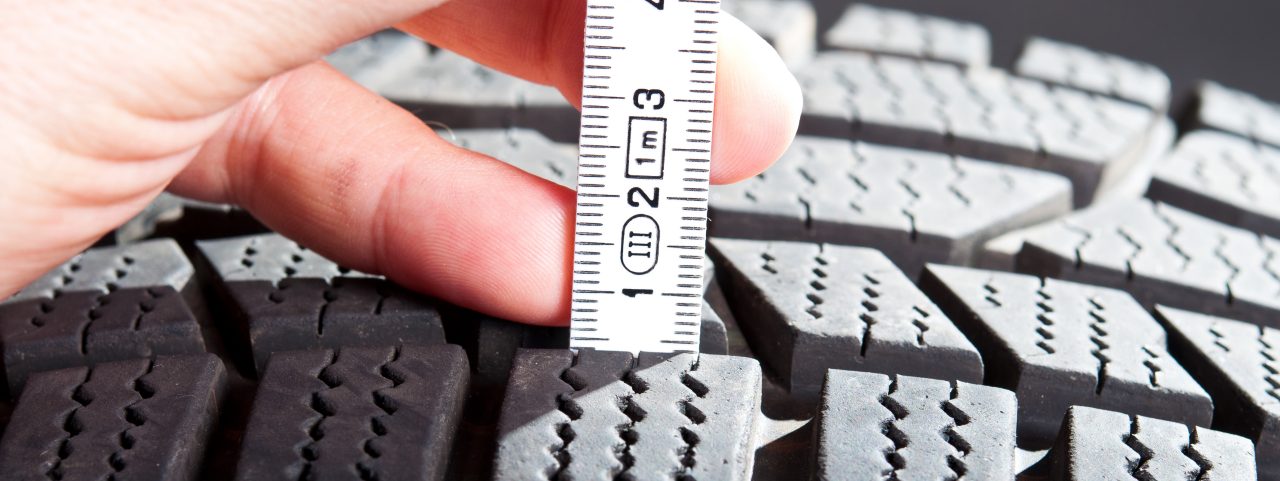
Tread wear is also a major factor to consider when replacing your tyres. If you have an on-road SUV with a tire tread depth worn down to 1.6 mm, it’s time to get new tyres.
Please consider that safe driving in wet and snowy weather conditions is affected by the tread depth, the pattern design and the rubber compound of the tread of your tyres. On wet or snow-covered roads, braking performance will progressively decline with lower tread depths. On wet roads, there is an additional increased risk of aquaplaning with fading tread depths.
If you notice patches of uneven or abnormal wear across your tyre, this may indicate that there is a mechanical problem with your vehicle. Some common issues include improper wheel alignment, a drawback with wheel balance, or an uneven suspension or transmission. Unfortunately, each of these will impact the performance of the tyre, no matter what kind of SUV you have. If you feel you're losing traction while driving and notice uneven wear, have your tyres and your car checked by a professional.
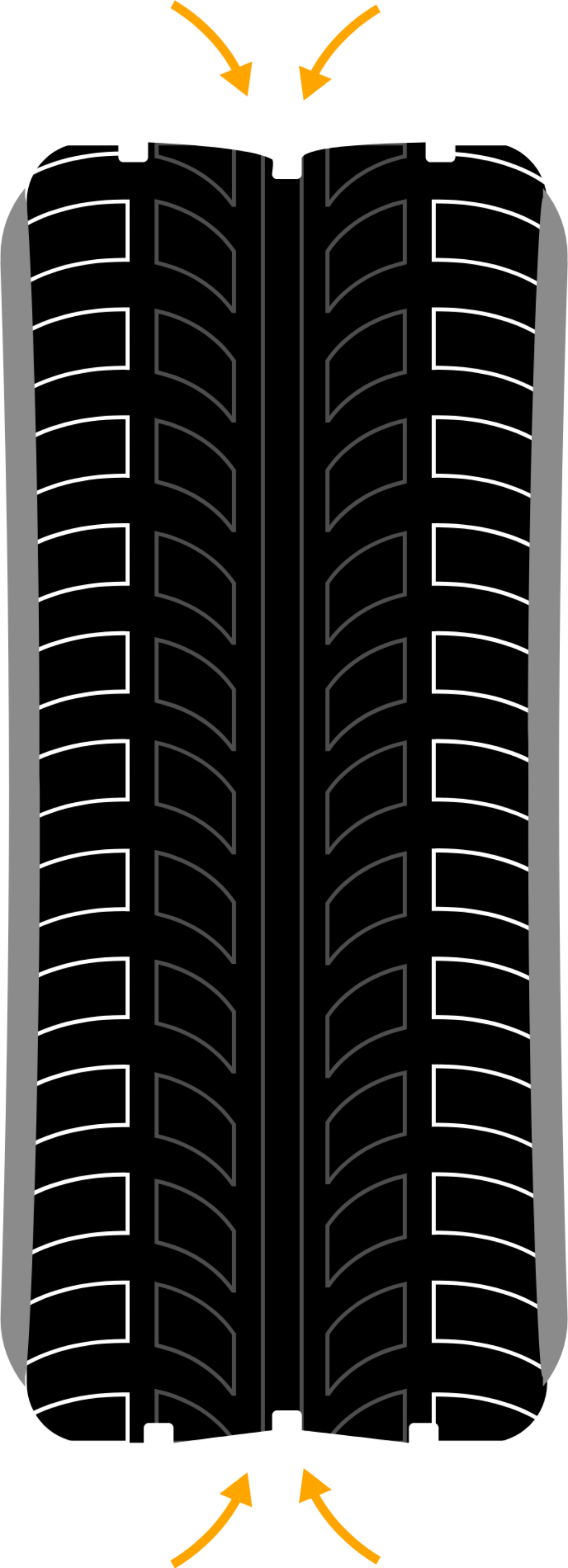
If it’s not a mechanical problem causing abnormal wear, there’s a good chance that you’re driving with the wrong tyre pressure. If you notice wear on both shoulders of the tyre, it’s most likely underinflated. And if the wear is along the center of the tyre, it’s most likely over-inflated. As a rule of thumb, check your SUV tyre pressure ideally every 2 weeks or at least once a month. No matter if you have summer, winter, all-season, 4X4, or all-terrain tyres, they all need the correct amount of air.
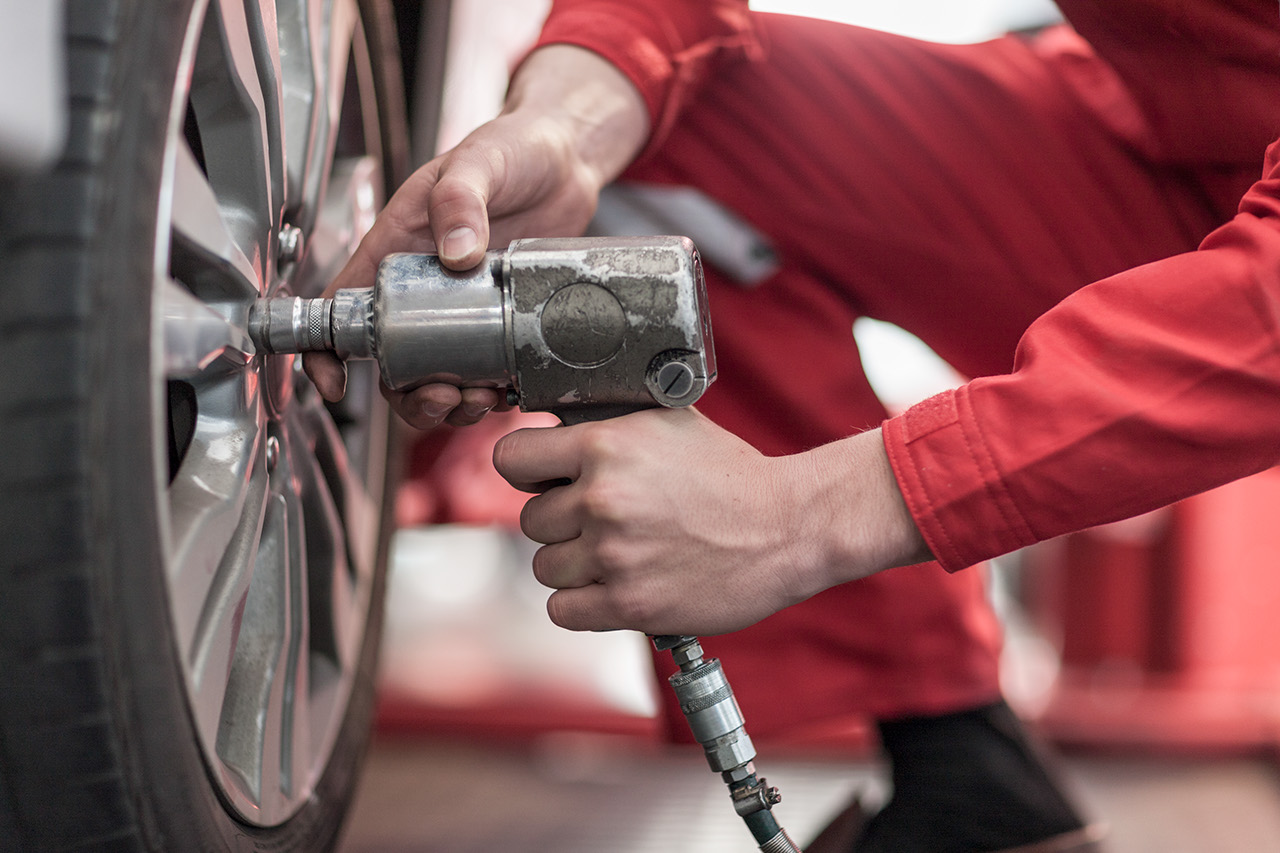
To ensure balanced handling, traction and wear, it is recommended that the same size and type of tyre is used on all four wheels. Stick with the same construction as well: Most passenger vehicles today use radial tyres – where the cord layers run perpendicular to the direction of travel –, so all replacement tyres for these cars should be of this construction type.
Also follow the manufacturer guidelines: Some vehicles are designed to be equipped with different tyre sizes on the front and rear. Always check your car’s owner's manual to confirm what is correct for your specific vehicle.
While it’s possible to switch out only one or two tyres at a time, we strongly recommend replacing all four tyres at the same time for optimal safety and performance. Replacing only a single tyre can impact vehicle suspension or transmission and produce excessive wear on the tyre tread. However, if you’re replacing only one tyre, ensure it has the same or similar tread pattern as the other tyre on the same axle. Otherwise, pair the single replacement tyre with the one that has the deepest tread depth, then fit both to the rear axle. Mixing opposite tread patterns will impair the handling characteristics of your car. If you’re unsure of how to replace a single tyre, ask your local tyre dealer, they’ll be happy to help.