# Tyre Knowledge

Understeer vs oversteer: A guide for drivers

Causes, differences, and safe driving techniques explained


Fast facts

Key things you need to know about understeer and oversteer

  • Understeer occurs when the front tyres lose grip, causing the car to push straight even when you turn the wheel.
  • Oversteer occurs when the rear tyres lose traction, causing the back of the car to slide or swing out.
  • Front-wheel drive cars are more prone to understeer; rear-wheel drive cars are more prone to oversteer.
  • Common triggers: Accelerating too early in a turn can cause understeer; too much power, sharp braking, or sudden throttle lift can cause oversteer.
  • Correction tips: For understeer, gently lift off the accelerator and ease the steering; for oversteer, steer against the slide and modulate the throttle carefully. 


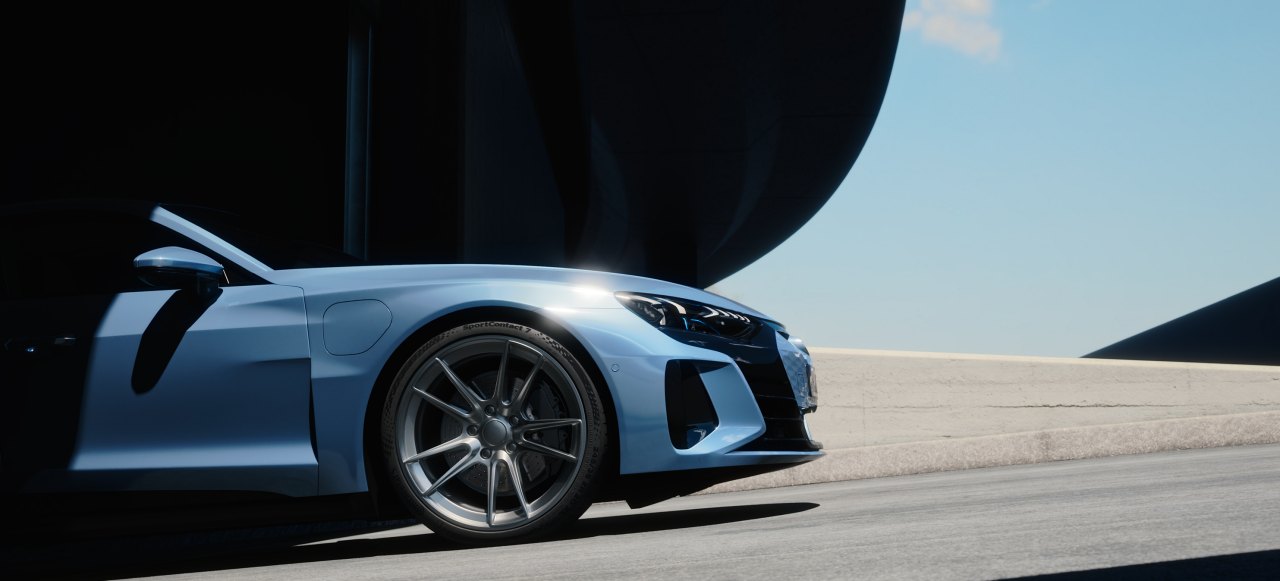
A blue sports car driving on a road

If you have ever entered a corner and felt your car respond unexpectedly, you may have experienced understeer or oversteer. But what is understeer and oversteer? In this guide, we'll explain what these terms mean, why they occur, and how to react safely if you find yourself facing them. Let's dive in. 

What is understeer?

Understeer usually happens when a car's steering performance is less than what has been applied by the driver. This typically occurs when the front tyres lose traction, often accompanied by a screeching sound.  


Why does understeer occur?

Understeer happens most often in front-wheel-drive vehicles, where the front wheels handle steering, braking, and power simultaneously. If you take a corner too quickly or turn the wheel too sharply, the front tyres can lose grip, making the car slide outward instead of following the curve, as tyres work best doing one thing at a time.

How should you react to understeer?

The easiest way to avoid understeer is to slow down. However, if your car starts to understeer, don't slam on the brakes. Instead, gently lift off the accelerator and ease the brakes if needed. Avoid turning the wheel harder. Easing off the steering allows the front tyres to regain traction and helps you steer the car back under control. 

What is oversteer?

Oversteer occurs when a car turns more than the driver intends. It happens when the rear wheels lose traction in a corner, causing the back of the vehicle to swing outward. This is most common in rear-wheel-drive cars and is often caused by excessive acceleration. 

Why does oversteer occur?

Oversteer occurs when a driver uses too much power in a turn, brakes sharply while cornering, or suddenly releases the accelerator. These actions cause weight transfer within the car, shifting the load away from the rear tyres, reducing their grip and making the back of the vehicle slide. 

How should you react to oversteer?

Oversteer usually occurs when you accelerate too aggressively in a turn, so easing off the gas is the first step. If your car starts to slide, remain calm, focus on the direction you want to go, steer accordingly, and avoid sudden braking or sharply lifting off the gas. Gently adjust the throttle to regain control and safely stabilise the car.

To better understand the key differences between understeer vs oversteer, check out the table below.

Understeer

Oversteer

What is understeer?

This refers to a lack of grip from the front wheels. When it happens, the driver will have little response from the steering wheel.

What is oversteer?

This happens when the front wheels have more grip than the rear wheels, causing the car to spin when driving into a corner.

Why does understeer happen?

Understeer happens when the car keeps going straight even though you're turning the steering wheel.

Why does oversteer happen?

Oversteer happens when the back of the car slides out or swings to the side.

Which cars are more prone to understeer?

Front-wheel-drive cars are more prone to understeer because the same wheels handle both steering and power, so when they lose grip, it becomes harder to steer.

Which cars are more prone to oversteer?

Rear-wheel-drive cars are more prone to oversteer because the rear wheels provide the power; when they lose grip, the rear wheels can slide out and swing past the front wheels.

How to correct understeer:

  • Gradually lift your foot off the accelerator
  • Apply light steering input
  • Don't hit the brakes while cornering

How to correct oversteer:

  • Steer against the slide
  • Lift off the throttle gradually
  • Stay away from hard braking


How weather and road surfaces affect understeer and oversteer

Weather and road surface conditions across the EMEA region have a major impact on how a car handles corners. The grip between the tyres and the road depends on surface friction. On wet or icy surfaces, there's less grip than on dry pavement, which can change how the car handles.

In dry, warm regions like southern Europe and North Africa, roads usually provide good grip, so cars handle corners well at normal speeds. But when it rains, water can reduce traction, making it easier for a car to slide or lose control. This is why understanding aquaplaning and how to react to it is so important for safe driving.

In colder northern areas, frost, ice, and snow make traction even lower. On slippery surfaces, stopping distances are longer and corners are harder to navigate, which can lead to understeer or oversteer. Choosing the right tyres for the season, whether winter or all-season tyres, can make a big difference in maintaining control and staying safe. 

Tyres as a safety solution

Tyres are one of the most important features on any vehicle, because they're the only part that actually touches the road. Everything else, including steering and braking, depends on good tyre grip to work effectively. Tyres help maintain traction between the car and the road surface, which is essential for safe steering, acceleration, and braking.

Tyre performance is also affected by how weight is distributed across them. As forces shift during cornering, braking, or acceleration, some tyres carry more load than others, and their ability to maintain grip doesn't increase evenly. This means that when too much load is placed on one set of tyres, or axle, the other axle can lose traction more easily, increasing the risk of understeer or oversteer.  

Without sufficient grip, a vehicle is more likely to slide, lose direction, or experience handling issues such as understeer and oversteer. Here's how tyres support safer, more controlled driving:

  • Grip and handling: The friction between the tyres and the road provides your car with the traction it needs to stay stable through corners. Good tyre grip helps the vehicle follow your steering input rather than sliding wide or fishtailing.
  • Tread design: Tyre tread patterns and depth are designed to channel water away from the contact patch. This improves traction in wet conditions and helps prevent grip loss that can lead to slides and unpredictable handling.
  • Proper inflation and tyre condition: Keeping tyres at the correct tyre pressure and replacing them before they wear too much ensures proper contact with the road. Tyres that are underinflated, overinflated, or worn can lose grip more easily, increasing the chance of handling issues. Regular tyre checks, including tread depth, visible damage, and pressure, are a simple but effective way to reduce the risk of grip loss and driving instability.  If you’re unsure what to look for, following a clear tyre safety checklist can help you keep your tyres in safe, roadworthy condition.
  • Choosing the right tyres: Selecting the right tyre type for your driving conditions (such as winter tyres in cold, snowy climates or all-season tyres for varied weather) helps maintain grip where you need it most. The right tyres help you keep your car stable and responsive, reducing the likelihood of traction loss in corners. 

Driving tips for everyday conditions

Every day driving can present unexpected situations, from sudden rain showers to icy patches in winter. Following a few simple habits can help you stay in control and drive safely in all conditions.

  • Keep your vehicle maintained: Check your tyres regularly and keep your car well-maintained. Worn tyres reduce grip, especially in rain, snow, or slippery conditions.
  • Smooth steering and braking: Avoid sudden steering, hard braking, or aggressive acceleration. Gentle inputs help your car stay balanced and reduce strain on key components.
  • Take corners carefully: Brake before entering a turn, then apply the throttle gradually as you go through. Avoid sudden acceleration in corners to reduce the risk of understeer or oversteer. 

Find your nearest retailer


Related content