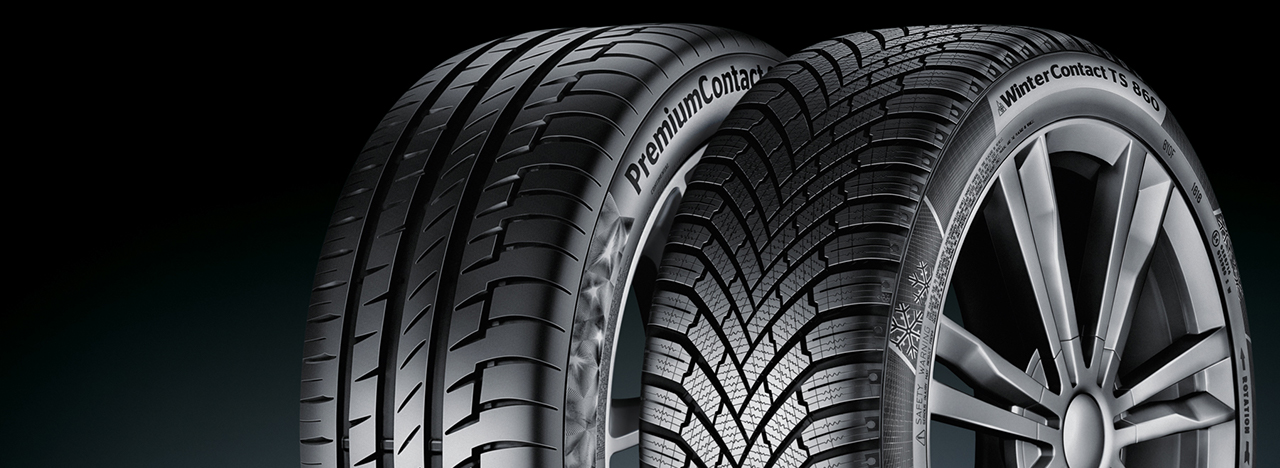
Summer tyres vs. winter tyres
Weather changes throughout the year affects driving conditions on the road. Fit your car with tyres that will provide you with the most confidence.
Read more




The seasons are changing, and winter is on the horizon. It's getting cold, and perhaps there's a bit of snow or ice on the road. You know you should change the tyres on your car, but it can be a hassle. You're wondering whether you can leave the summer tyres on your vehicle.
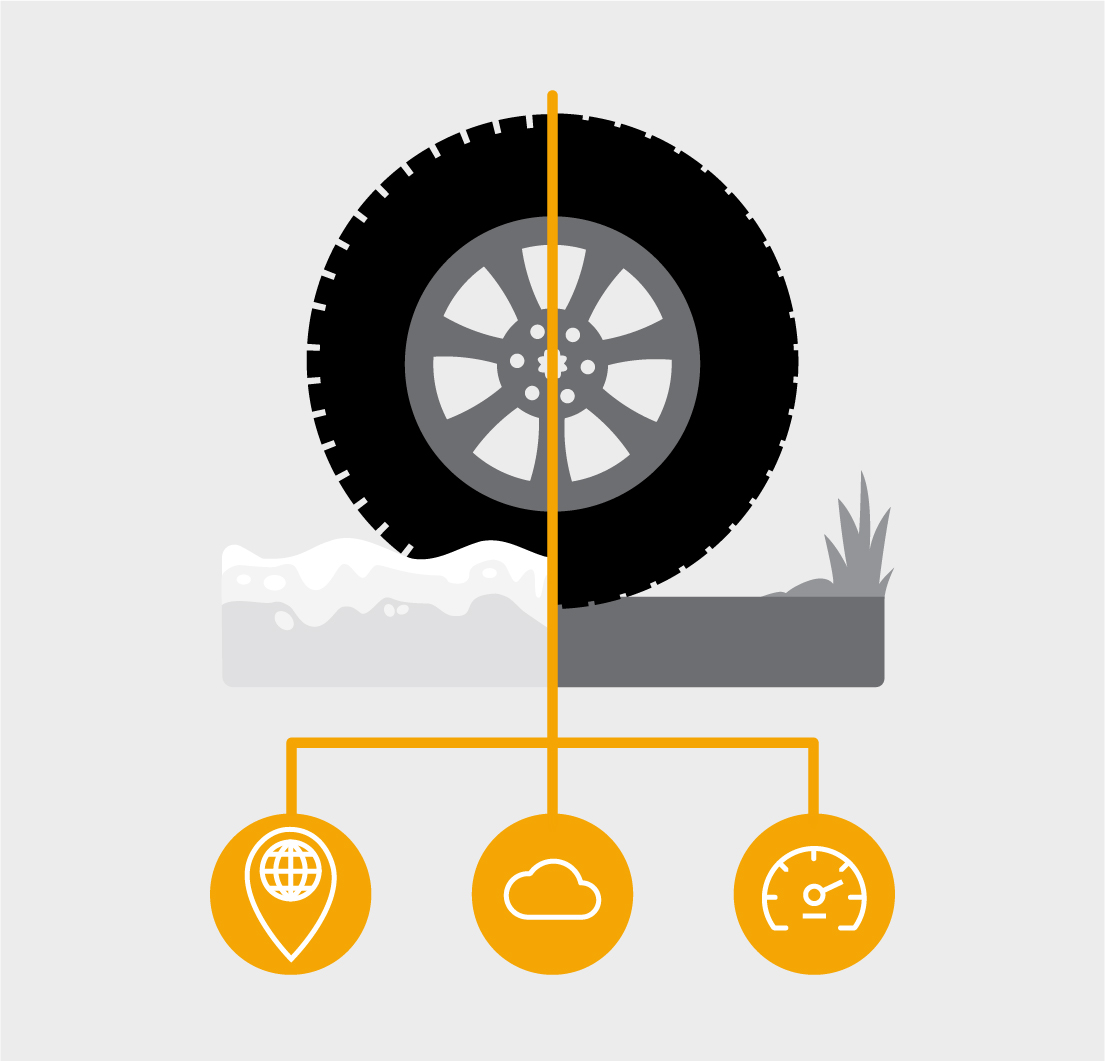
Local weather conditions are a huge deciding factor for the choice of your tyres. With only occasional bouts of freezing temperatures, all-season tyres could be an option for mild winter conditions.
We recommend against using summer tyres if there’s any snow or ice or if the temperature is frequently freezing. Winter is the time to fit your car with winter or at least all-season tyres.

Summer tyres are designed to provide optimal handling, stability, and braking performance in warm temperatures. However, once temperatures fall below approximately 7°C, their rubber compound begins to harden, reducing traction and responsiveness. Combined with a tread pattern that is not designed for snow or ice, this can lead to longer braking distances, reduced cornering grip, and an increased risk of losing control in winter driving conditions.
Summer tyres are optimised for warm temperatures. They feature a harder rubber compound designed to maintain rigidity and stability in high temperatures, preventing them from becoming too soft on hot pavement. This design, however, becomes a critical liability in winter.
When the temperature drops below the critical threshold, this rubber compound stiffens and hardens significantly. The result is a major reduction in the tyre's crucial flexibility and surface grip, even on dry pavement. The tyre loses its ability to conform to the road surface, which is essential for traction and confident handling.
The primary safety risk of summer tyres in winter lies in their tread design and tread compound. Summer tyres use simple, block-like tread patterns optimised for minimal rolling resistance and cornering stability on warm, dry, or wet roads. They offer virtually no mechanical grip on snow or ice. The reason: summer tyres lack sipes (small, intricate cuts) found in winter tyres. These sipes create thousands of biting edges essential for traction on snow and ice. Without them, summer tyres easily lose traction, increasing the risk of sliding and hydroplaning on slush.
The most dangerous consequence is the dramatic increase in braking distance. On icy or snowy roads, stopping distances on summer tyres can be 30 to 50 percent longer compared to winter tyres. This difference can be life-threatening, because it makes a controlled stop impossible.

When summer tyres are exposed to winter conditions, their performance and safety are significantly compromised. Cold temperatures can dramatically alter the tyre’s rubber compound, which in turn leads to a range of issues that affect both durability and driving safety.
The combination of rubber stiffening and the typically lower air pressure in cold weather significantly increases the risk of structural failure. When an under-inflated, cold, stiff summer tyre is driven, the stress and friction cause abnormal wear and heat buildup, particularly in the sidewalls. This increases the risk of premature sidewall damage or a blowout.
Apart from all the safety risks and tyre damage that can occur when driving summer tyres in cold weather, driving on summer tyres in winter is in most countries illegal and can result in fines. Make sure to check the winter tyre laws in your region.
In the event of an accident, using summer tyres in winter may be considered gross negligence. Consequently, your insurance company may reduce your coverage or even demand reimbursement of costs.
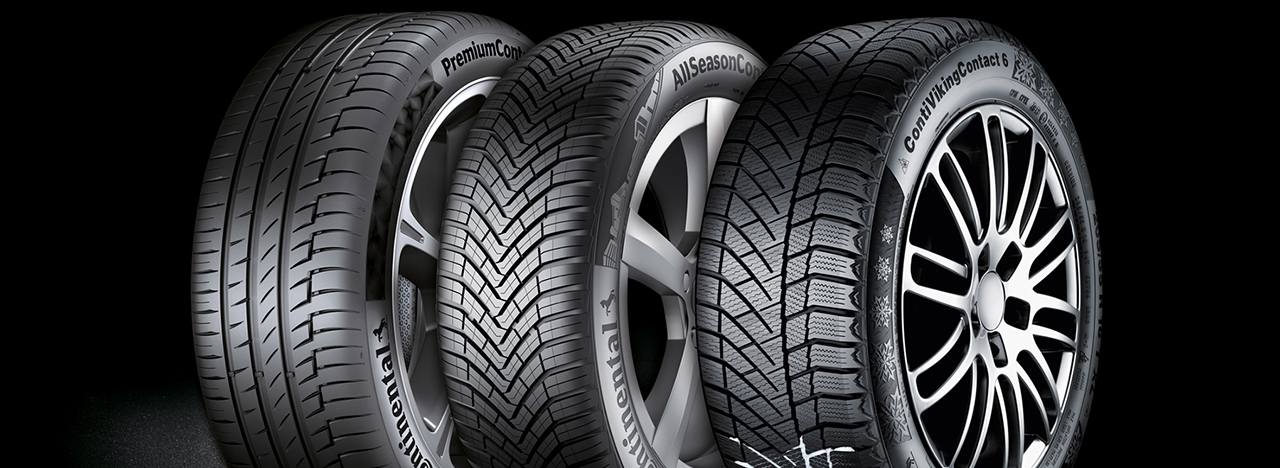
The best tyre choice for winter are winter tyres – they offer the best performance in snowy or icy conditions.
Although all-season tyres are not suitable for extreme winter conditions, they can be a good choice for drivers living in mild winter conditions. They offer good handling and feature good braking performance on dry and wet surfaces. In addition, drivers can save money and time, and avoid the effort required for seasonal tyre changes.
If you are unsure about the right tyre choice, please contact your local retailer.